



Aruba Instant On AP-22 | New WiFi6 power | Performance test
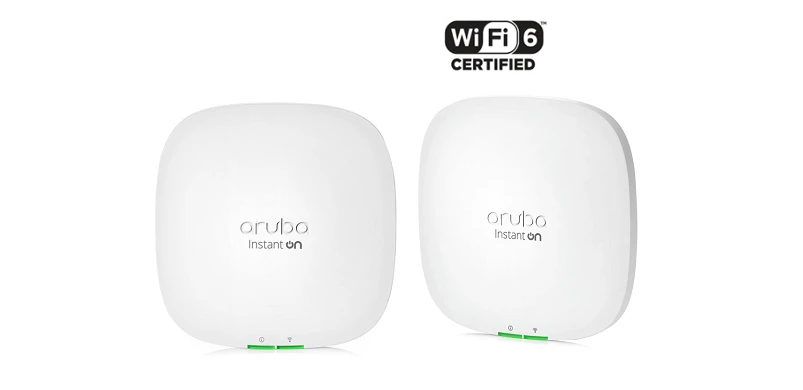
Foreword
IEEE 802.11ax, otherwise known as the WiFi6 standard (by the Wi-Fi Alliance) is the latest standard for wireless networks. It is considered the successor to the very popular Wi-Fi5 (802.11ac and all previous ones). The standard is designed to work in the bands from 1 to 6GHz and of course all Wi-Fi6 devices still work in 2.4GHz and 5GHz. The 802.11ax standard provides much greater wireless capacity, performance and range, and is designed for the most demanding Wi-Fi users.
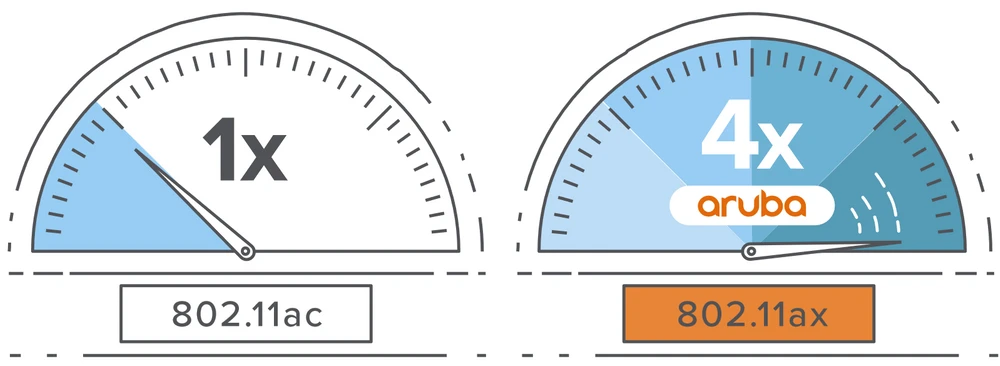
Multi-User Performance
Probably the best new function in 802.11ax is OFDMA(Orthogonal Frequency Division Multiple Access). Thanks to this function many devices with different bandwidth requirements can be operated simultaneously. In contrast to the previous model, in which the devices compete with each other in terms of data transmission. In the 802.11ax standard there is no dispute, because each device sends data in parallel.

Multiple-User Multiple Input/Multiple Output (MU MIMO)
MU-MIMO is another way to handle traffic from multiple devices, as originally introduced in 802.11ac. Whereas within the 802.11ax standard, this functionality has been enriched with the possibility of simultaneous transmission of up to 8 devices in one transmission channel. This allows for more efficient handling of large packages, such as HD video transmission. Shorter packets, e.g. from IoT devices and voice transmission (e.g. Skype) are much better supported by the OFDMA protocol.

It is also worth remembering that at the beginning of the 802.11ax system, its main task was to increase Wi-Fi performance in environments with high traffic density (e.g. large public buildings). Huge density does not have to mean hundreds or thousands of Wi-Fi devices in a large auditorium, stadium or retail outlet. Depending on the number of devices used (and their usage), twenty or more devices can already be considered high density. However, the following should be taken into account when considering offices, classrooms or warehouses:
- types of devices and applications used, especially video
- reaction of applications to current implementations of 802.11n or 802.11ac
- number of IoT devices, those that are visible and those that are not
Aruba Instant On AP22
Our test-label has received the latest work of Aruba Networks working in the Wi-Fi6 standard - Aruba Instant On AP22. As befits Aruba Networks products, the device is very nice visually and is of very high quality. In the kit you will find one universal mount that allows you to mount the access point on a wall or ceiling with wall plugs. The mount is also adapted to be mounted directly to structural strips of dropped ceilings. And in general everything would be great if it wasn't for the fact that the mounting bracket sticks out from the wall/ceiling surface by about 27mm. This makes the mounted device look quite poor.
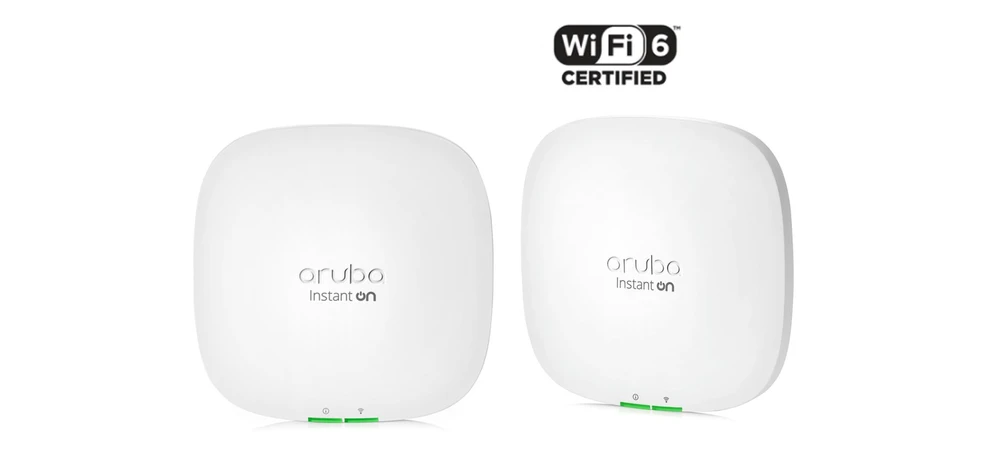
The access point is available in two versions:
- A screw Instant On AP22 (RW) Access Point - AP22 without power supply
- A screw Instant On AP22 with 12V PSU EU Bundle - AP22 with 12V power supply
Wi-Fi6 vs Wi-Fi6E
The device tested is a typical WiFi 6 access point which operates in the 2.4GHz and 5GHz frequency bands. Only devices working in the WiFi 6E standard will allow it to flex its muscles in 802.11ax. The Aruba Instant On AP22 is only WiFi6 and is not even "WiFi 6E Ready" and therefore cannot use the band between 5.9GHz - 7.2GHz.Spectrum analyser measurement
There's no denying that the spectrum analyzer measurement has been a little (very) disappointing. The device working in MESH mode transmits a very messy signal in its channel and generates a lot of interference outside of the proper transmission channel.
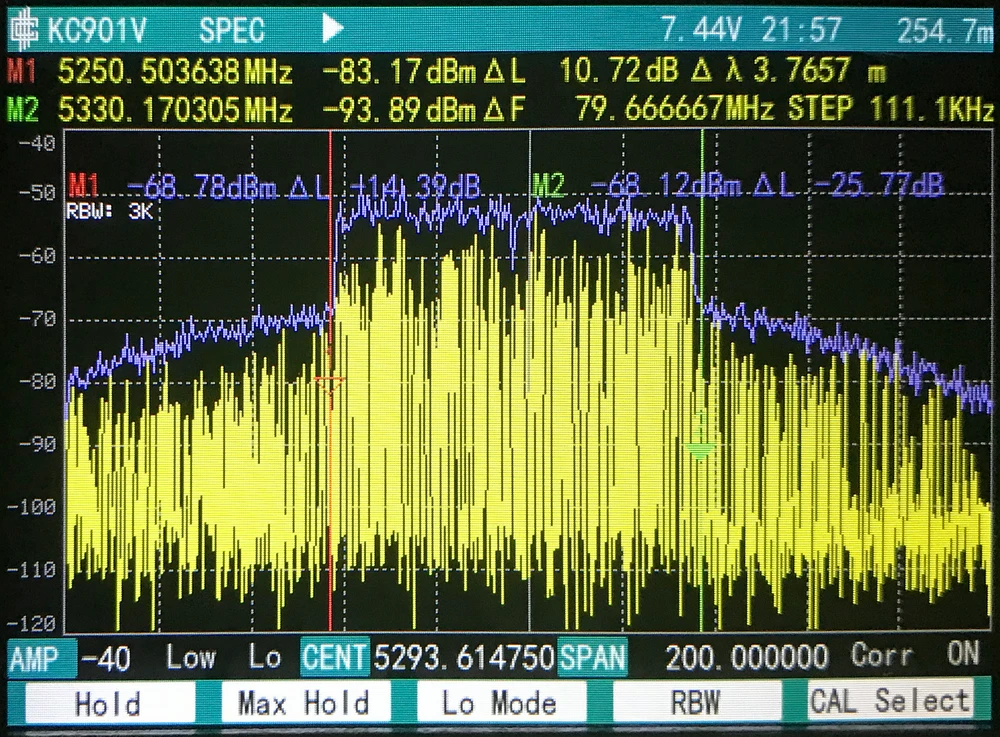
In general, it can be stated that the access points tested will have a negative impact on other WiFi 5GHz networks, and in addition may hinder building dense corporate networks.
Test environment
The purpose of our tests is to verify the range in the mesh topology, both in terms of signal coverage and the real speeds obtained in our test environment. For 2.4GHz connections we assumed maximum channel width of 40MHz, while for 5GHz the channel width was 80MHz. Although some devices can operate in the 5GHz band with 160MHz channel width, due to the still limited number of end devices (phones/laptops), we have omitted these tests now.
Test network diagram
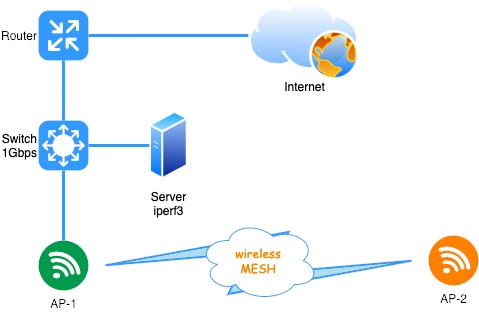
The testing device was MacBook Pro A1502 equipped with built-in AirPort Extreme wireless card (Broadcom BCM4360 3x3, 1.3 Gbps PHY) working in 802.11a/b/g/n/ac standards.
Before the speed tests we verified the maximum performance of the LAN network and iperf3 server. The aforementioned laptop was connected with a 10/100/1000Mbps network card to a Gigabit switch.
Wireway, we obtained the following maximum speeds for one TCP stream:
Before the speed tests we verified the maximum performance of the LAN network and iperf3 server. The aforementioned laptop was connected with a 10/100/1000Mbps network card to a Gigabit switch.
Wireway, we obtained the following maximum speeds for one TCP stream:
- downloading: 894Mbps
- downloading: 958Mbps
Wireless signal map - HeatMap
To make a signal map we used AirSurvey software, well known to Apple users.
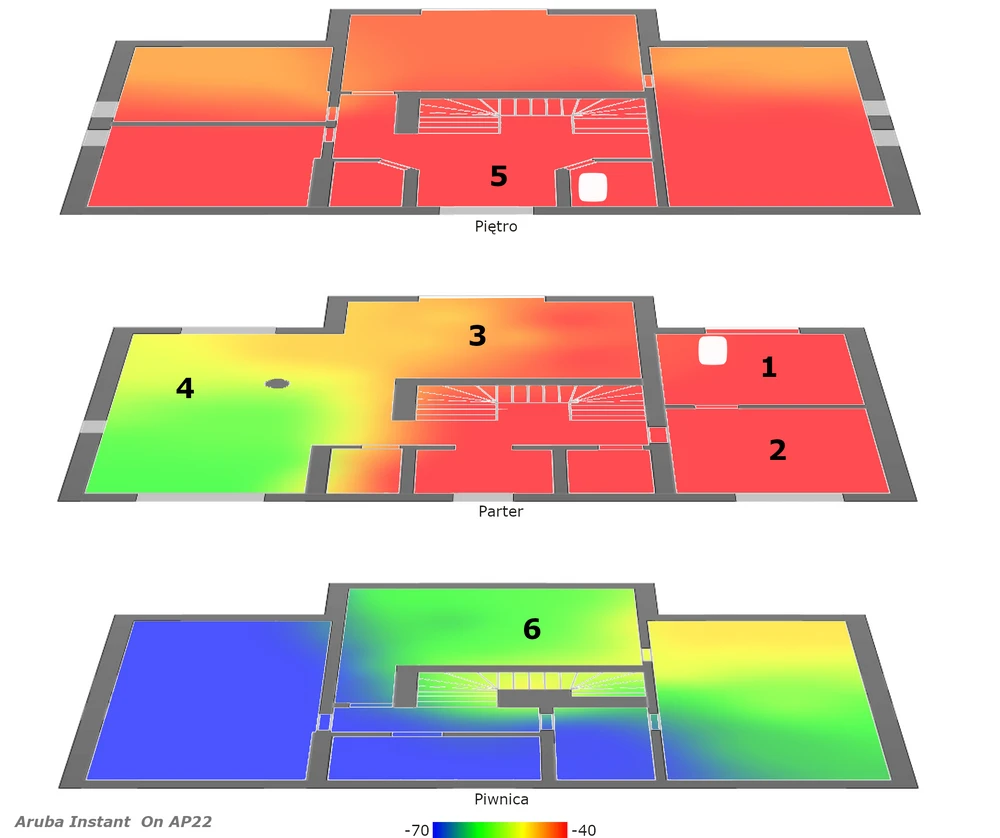
To read the signal levels correctly please note the color legend at the bottom of the picture. Access Point locations are marked with appropriate icons. The device on the "ground floor" has been connected to switch via 1Gbps Ethernet port.
Performance tests of Aruba Instant On AP22
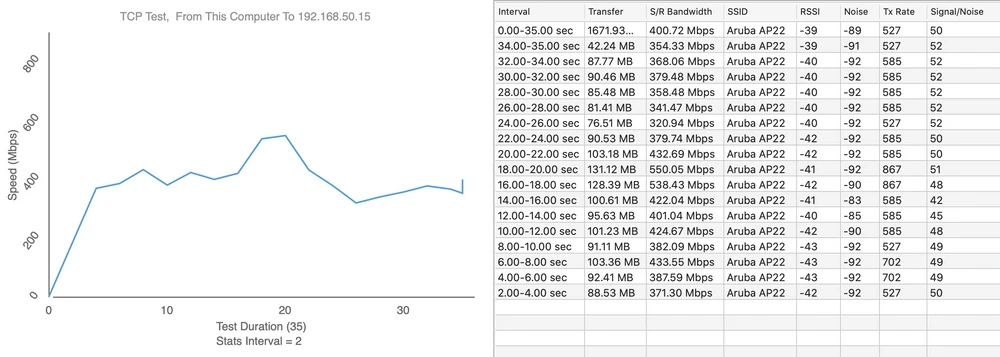
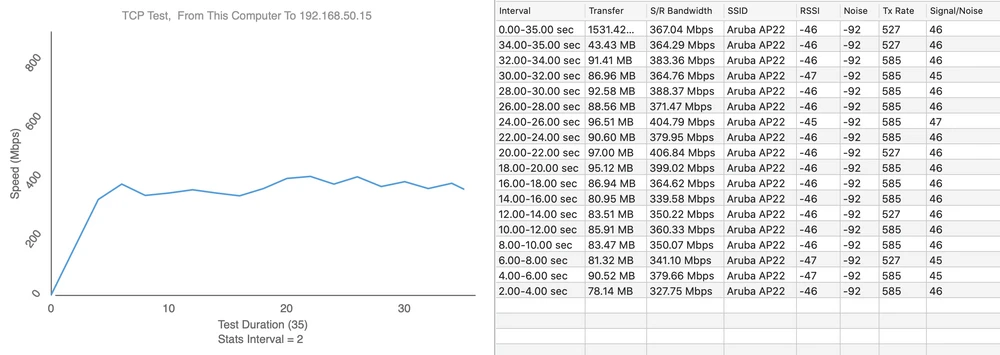
Of course, in order to make our wireless performance tests as reliable as possible, we conducted a whole series of speed measurements. The tests were performed using WiFiPerf application and the speed test server was iperf3 software. The whole series of tests was carried out using TCP protocol, duration cycle 60 seconds. Below we present the results of the obtained speeds in the wireless network built with A screw Instant On AP22. The highest value in each cycle is included.
- The measuring point No. 1
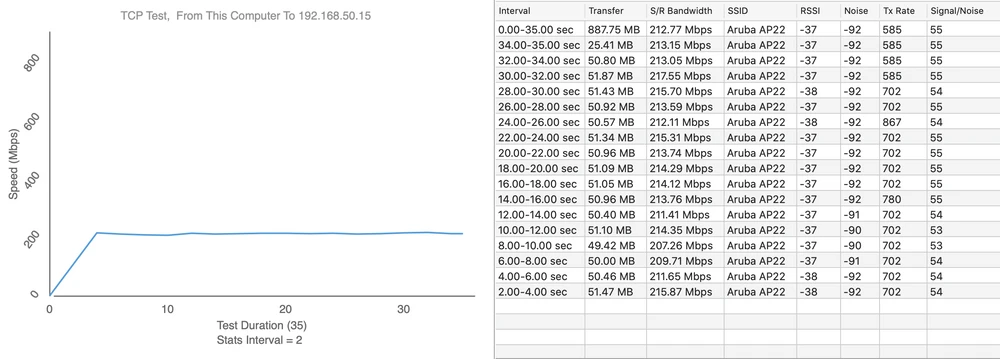
Upload 558Mbps
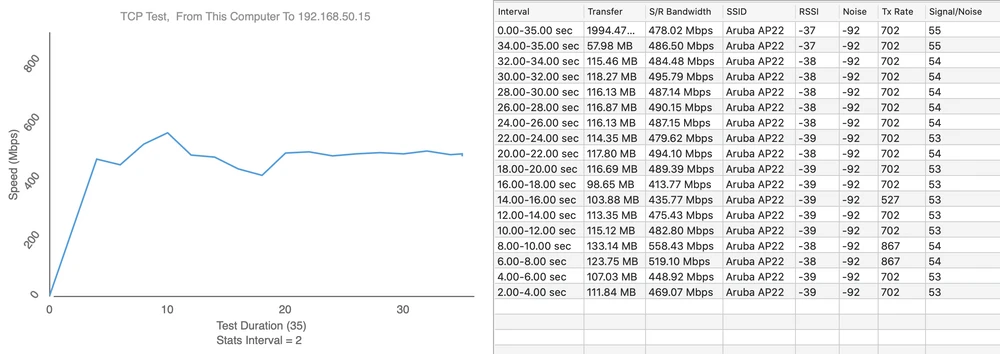
- The measuring point No. 2
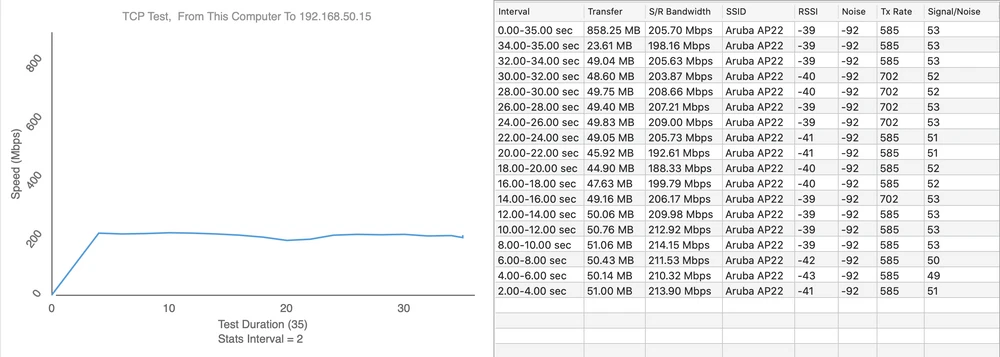
Upload 550Mbps
- The measuring point No. 3
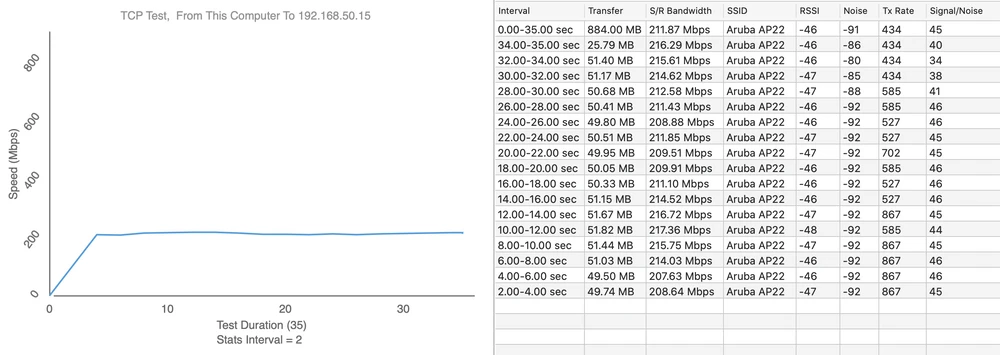
Upload 406Mbps
- The measuring point No. 4
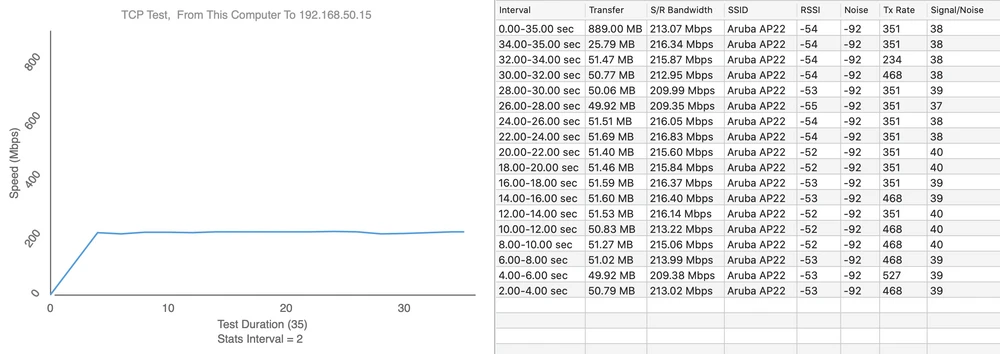
Upload 334Mbps
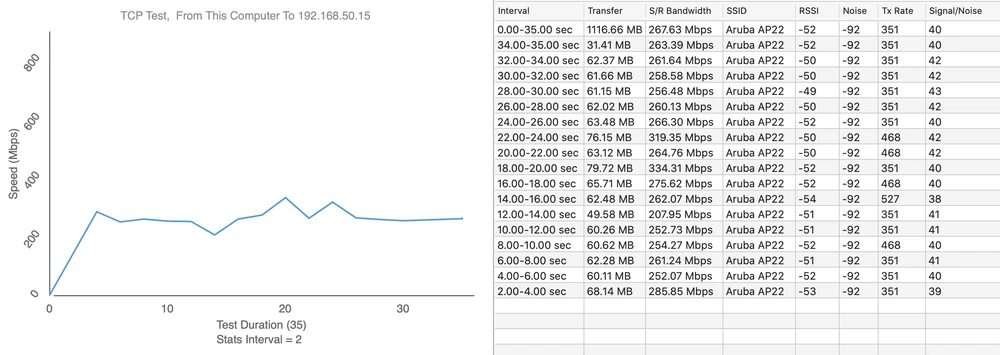
- The measuring point No. 5
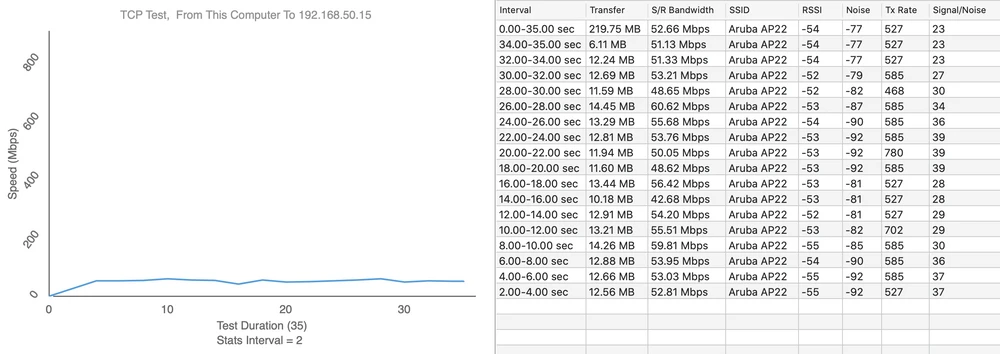
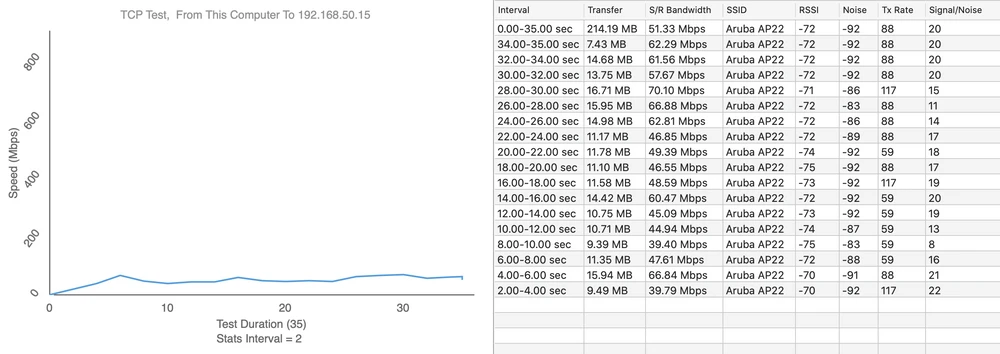
Upload 21Mbps
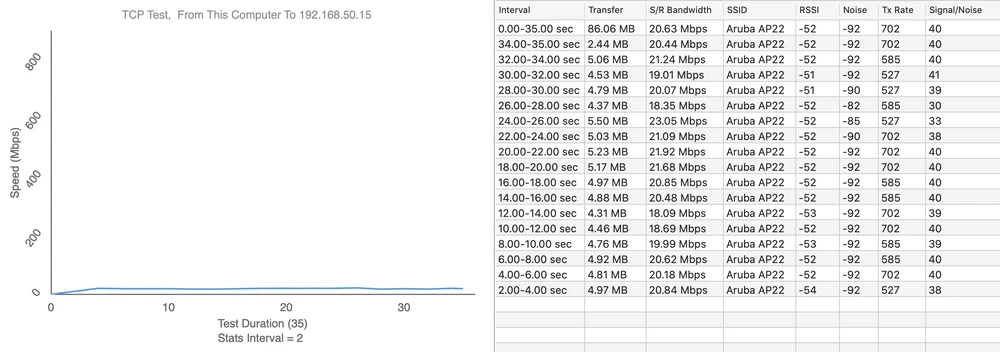
- The measuring point No. 6
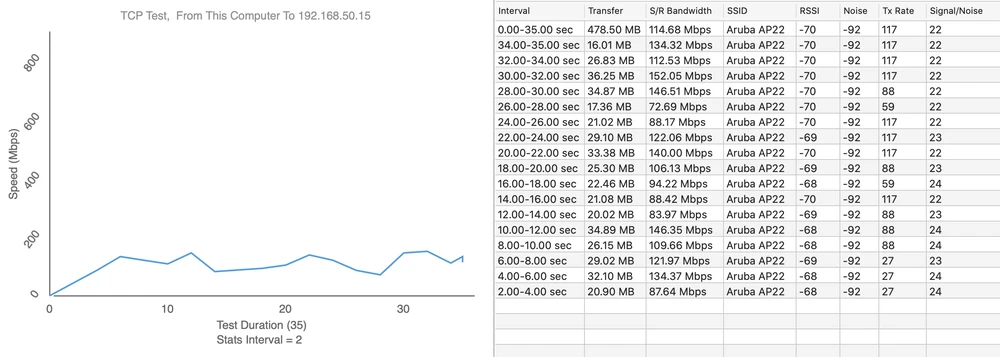
Upload 70Mbps
Summary and conclusions
DISADVATAGES:
ADVANTAGES
Leszek Błaszczyk
Wojciech Repiński
- Theoretically, the MU-MIMO 2x2 with 802.11ax standard does not support WiFi 6E
- When adding more devices, long (up to 5 minutes) radio search for devices
- Lack of Polish language in application and documentation On-Line
- Poor download speeds max ~200Mbps
ADVANTAGES
- support for the "Kensigton Lock"
- The bracket allows for mounting on a ceiling, wall and dropped ceilings
- Good coverage
Leszek Błaszczyk
Wojciech Repiński