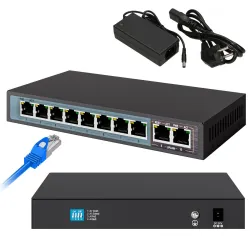


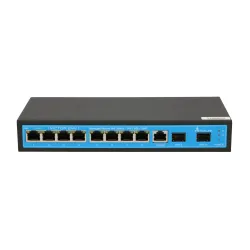
Switches Extralink VICTOR-24V | PoE Switch | 8x Gigabit Passive PoE (24V) , 2x SFP, 1x Console Port, 120W, Managed
589.00 zł gross gross / piece gross / piece

This is a very popular question in the IT industry. We often think about how to make the most efficient use of devices working with this standard.
I will describe the advantages of using PoE below:
While the standards and how PoE works have already been described in a previous article, I still will describe how the evolution of individual PoE standards looked like as a reminder .
At this point, it is worth explaining what the terms we will use later in this article mean:
PSE - Power Sourcing Equipment
PD - Powered Device
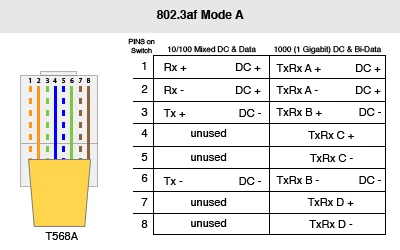
802.3af (802.3.at Type 1) "PoE"
- Maximum power supplied by PSE 15.4W
- Power available in PD 12.95W
- Mode A (endspan), Mode B (midspan)
802.3at Type 2 "PoE+"
- Maximum power supplied by PSE 30W
- Power available in PD 25.5W
- Mode A, Mode B
802.3bt Type 4
- Maximum power supplied by PSE 100W
- Power available in PD 71W
- Four pair mode

As you've already noticed, some PoE standards work in different modes: A and B.
Perious!
"It's the PSE and not PD that decides which power mode A or B to use"

Not everyone knows that the process of assigning the appropriate voltage for a device is not that simple. In a few subsections, I will describe how the various stages of PoE configuration look like
1. PSE (supplier) physically tests PD (recipient) with 802.3af
PSE powers PD
2. PD (recipient) sends to PSE (supplier):
I am PD, maximum power = x, required power = x
3. PSE(supplier) sends to PD(recipient):
I am PSE, maximum power allowed = x
4. PD can use the power specified by PSE.
The rules for negotiating power between PSE and PDare also extremely important:
The unmanaged Extralink PoE Switches are equipped with intelligent switches that are extremely helpful for the basic activities of any administrator.
The following will describe all the functions of the individual switches that Extralink switches are equipped with.

VLAN - Isolating ports 1-8 from each other, effectively suppressing network storms and improving network performance
EXTEND - Capacities on ports 1-8 drop to 10Mbps, but PoE transmission range increases to 250 meters
AI PS - Detection of failure/freeze of a device connected to the PoE port and restarting the power supply on that port.
QOS - improving video data processing, ideal for monitoring systems
The network switches have become indispensable devices in every network. In addition, the PoE option allows us to use them in virtually any field of IT.
PoE switches are increasingly used in the structures of IP monitoring. However, we often wonder what switch will be suitable for our project and many times we do not know what features to focus on.
When choosing the right switch, we must first of all be guided by the capabilities of the equipment and its functionality.
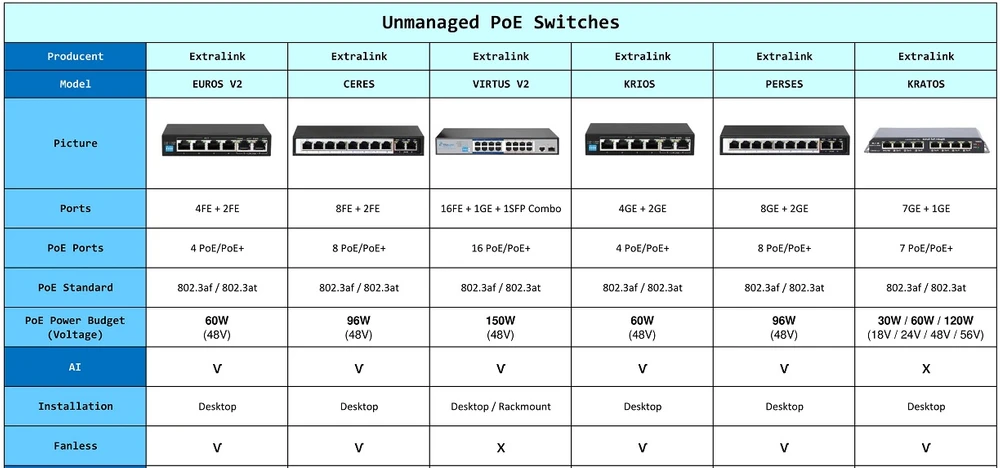
Extralink in its wide range of network switches has both unmanaged and managed switches and of course all of them have PoE options.
Below you will find an overview of the individual series of PoE switches from Extralink:
Extralink - unmanaged PoE switches
Extralink - Managed PoE switches

Of course, the most important function of any PoE switch is to supply devices with the appropriate voltage, but it can also greatly improve both network administration and diagnosis.
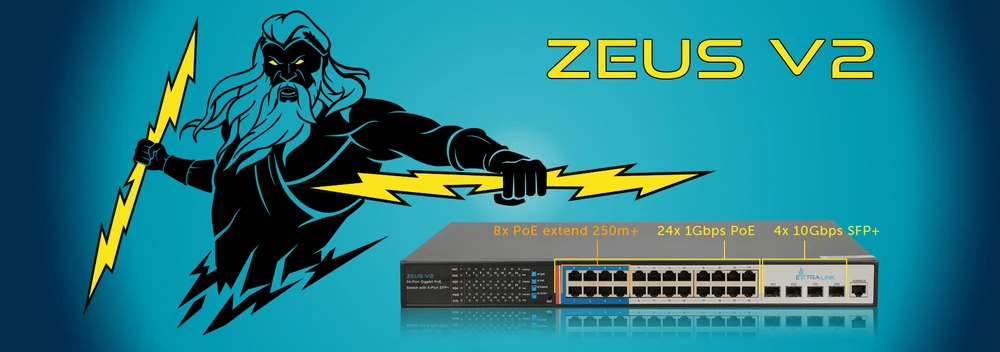
The Extralink Zeus V2! model deserves special attention.
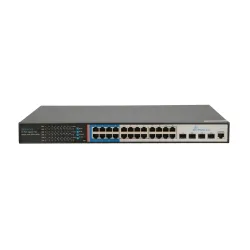
This is a 24-port fully managed PoE switch, equipped with four 10 Gigabit SFP+ ports.

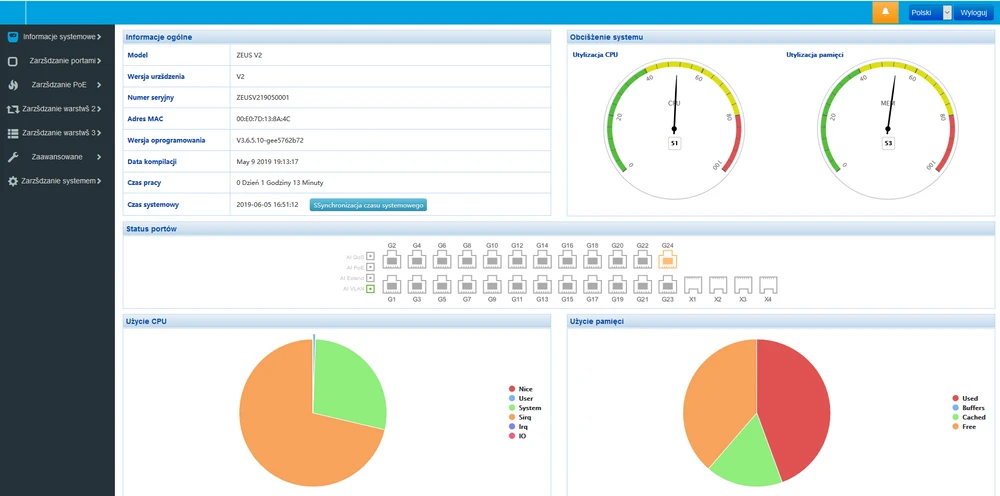
What's important:
Extralink Zeus V2 has a Polish language menu, which greatly simplifies the process of navigating through the individual functions.
Extralink Zeus V2 works in both layer 2 and layer 3, making the Zeus V2 a very versatile device that performs the function of VLAN and PoE power supply (up to 46W per port).

The layer 3 functions allow the Extralink Zeus V2 to also act as a DHCP server and support basic routing protocols such as RIP v1 and v2 and OSPF. Additionally, we can configure static routes based on these protocols.
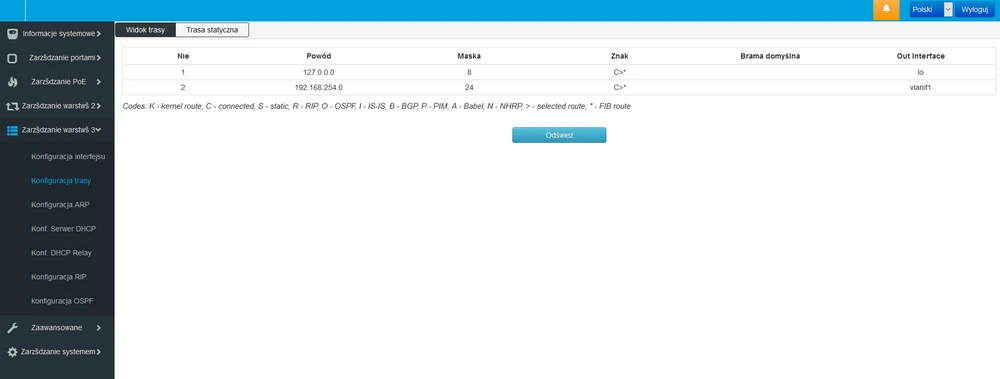
Extralink Zeus V2 is one of the few PoE switches that supports L3. Such a large functionality makes Zeus V2 ideal for large and small ISPs. Both the PoE function and the ability to set static routing make it possible to install this switch in the central point of our network. We can also use this switch in advanced IP monitoring configurations.
You can certainly recommend Extralink Zeus V2 for virtually any IT industry application.
Author:
Leszek Błaszczyk
leszek@batna24.com