


When Your Wi-Fi Router Asks for Replacement: Key Signs and Solutions
Wi-Fi has become an integral part of our daily lives. It distributes the Internet to smartphones, laptops, TVs and even refrigerators. Sometimes, however, our "home network" begins to fail: the Internet slows down, the signal fades, movies don't load smoothly - and we often blame the service provider. Meanwhile, the cause may be closer than you think - your Wi-Fi router has simply become "tired" and it's time to replace it with a newer, more modern model. In this article, we will discuss when you should really consider replacing your router, what signals you can't ignore, taking into account the peculiarities of the Polish market. In Poland, where popular providers like Orange, Play, UPC and Netia offer high-speed fiber or cable connections, a good router is crucial to realize the full potential of the tariff.
Low speed despite good internet
Suppose you have a tariff for 100 Mbps or more (in Poland, the average home internet speed is about 200-500 M bps according to UKE reports), and you only get 10-20 Mbps over Wi-Fi. Or the speed drops dramatically when you connect several devices. It could be a hardware limitation of the router - for example, the old Wi-Fi 4 standard (802.11n) or lack of support for multiple devices at the same time. Another cause is overheating during continuous operation. Modern models with Wi-Fi 5 (802.11ac), Wi-Fi 6 (802.11ax) or even Wi-Fi 7 (802.11be) - available in 2025 - distribute the load better, maintaining stable speeds even when streaming 4K or playing online games. In the Polish market, where providers like Orange offer gigabit connections, the old router is a bottleneck.
Suppose you have a tariff for 100 Mbps or more (in Poland, the average home internet speed is about 200-500 M bps according to UKE reports), and you only get 10-20 Mbps over Wi-Fi. Or the speed drops dramatically when you connect several devices. It could be a hardware limitation of the router - for example, the old Wi-Fi 4 standard (802.11n) or lack of support for multiple devices at the same time. Another cause is overheating during continuous operation. Modern models with Wi-Fi 5 (802.11ac), Wi-Fi 6 (802.11ax) or even Wi-Fi 7 (802.11be) - available in 2025 - distribute the load better, maintaining stable speeds even when streaming 4K or playing online games. In the Polish market, where providers like Orange offer gigabit connections, the old router is a bottleneck.

Router frequently crashes and requires a reboot
If you are increasingly thinking, "You need to reboot the router," something is wrong. Constant hang-ups, when the Internet is seemingly there but not working - this is a sign of errors in old firmware or overflowing memory (especially with many connected devices). The cause can also be the age of the device; like all electronics, routers wear out physically. Experts recommend replacing them every 3-5 years with heavy use, and even every 2-3 years for IoT (smart home) devices to avoid such problems.
If you are increasingly thinking, "You need to reboot the router," something is wrong. Constant hang-ups, when the Internet is seemingly there but not working - this is a sign of errors in old firmware or overflowing memory (especially with many connected devices). The cause can also be the age of the device; like all electronics, routers wear out physically. Experts recommend replacing them every 3-5 years with heavy use, and even every 2-3 years for IoT (smart home) devices to avoid such problems.
The device is simply outdated
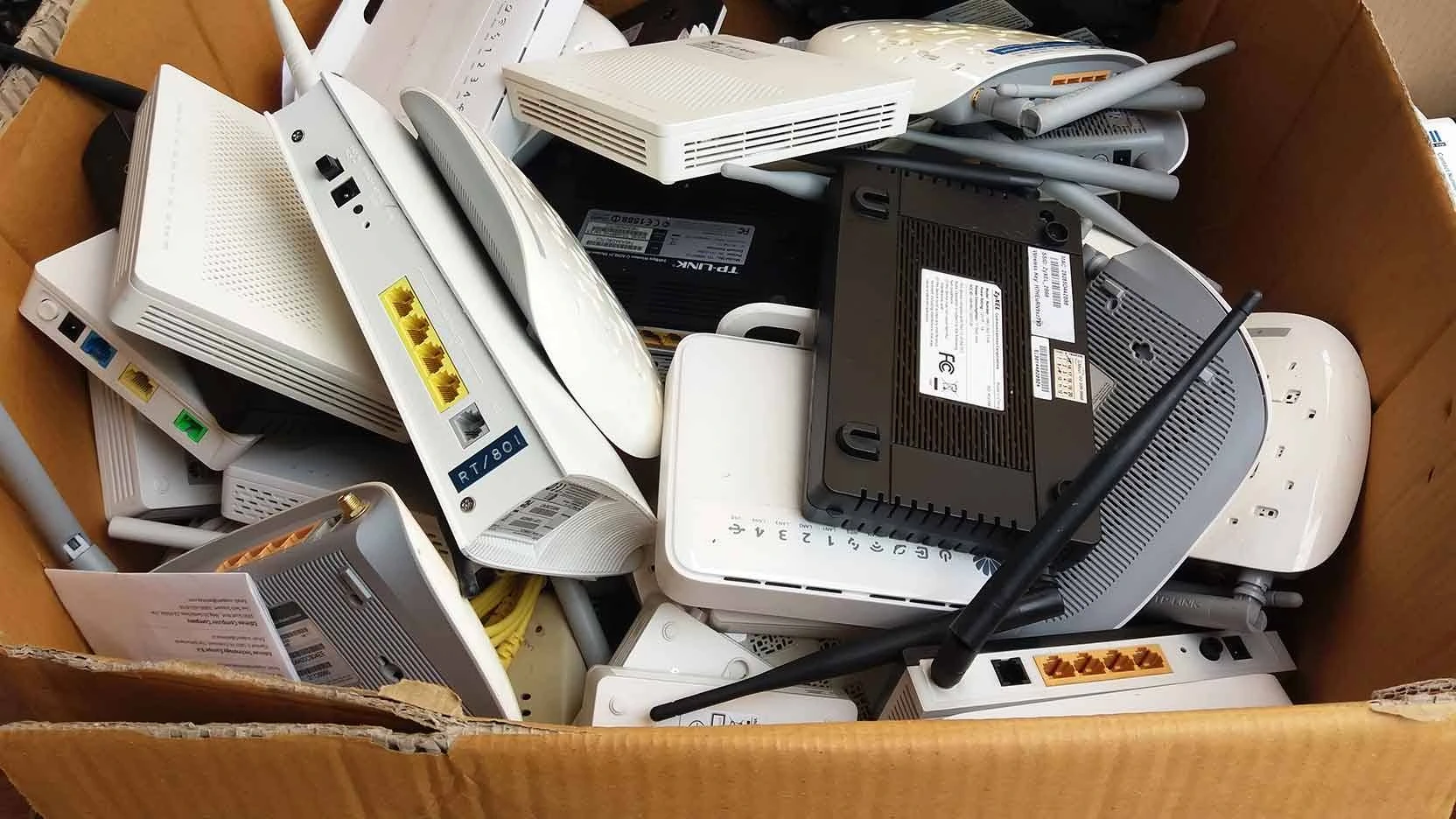
If your router is more than 5 years old, it's probably already outdated. Especially if it only supports the 2.4 GHz band (overloaded in blocks by neighbors), lacks support for WPA3 (a new security standard that protects against attacks), or can't handle new smart home devices. Even if it works, you're not using the full potential of the Internet - for example, with 4K, online gaming or VPNs. A router is a mini-computer with a processor, RAM and an operating system. Heat, dust, voltage spikes shorten its lifespan to an average of 3-5 years. In 2025, it is worth targeting models with Wi-Fi 6E (additional 6 GHz band) or Wi-Fi 7 for future compatibility. On the Polish market, older routers from providers (such as free ones from Play or UPC) often do not support IPv6 or advanced QoS, which limits performance.
If your router is more than 5 years old, it's probably already outdated. Especially if it only supports the 2.4 GHz band (overloaded in blocks by neighbors), lacks support for WPA3 (a new security standard that protects against attacks), or can't handle new smart home devices. Even if it works, you're not using the full potential of the Internet - for example, with 4K, online gaming or VPNs. A router is a mini-computer with a processor, RAM and an operating system. Heat, dust, voltage spikes shorten its lifespan to an average of 3-5 years. In 2025, it is worth targeting models with Wi-Fi 6E (additional 6 GHz band) or Wi-Fi 7 for future compatibility. On the Polish market, older routers from providers (such as free ones from Play or UPC) often do not support IPv6 or advanced QoS, which limits performance.
Additional factors in the Polish market
In Poland, where the Internet market is growing (premium routers are projected to reach $3 billion by 2033), many people use operator-supplied routers. However, these devices are often basic and suboptimal for homes with many users. If you have fiber from Orange or Netia, your own router will allow better control and higher speeds. Beware of EU regulations - routers must meet CE standards, and in blocks interference from neighbors (at 2.4 GHz) is common, so dual-band models are a must-have.
In Poland, where the Internet market is growing (premium routers are projected to reach $3 billion by 2033), many people use operator-supplied routers. However, these devices are often basic and suboptimal for homes with many users. If you have fiber from Orange or Netia, your own router will allow better control and higher speeds. Beware of EU regulations - routers must meet CE standards, and in blocks interference from neighbors (at 2.4 GHz) is common, so dual-band models are a must-have.
Which router to choose for replacement
If you have decided to make a change, steer clear:
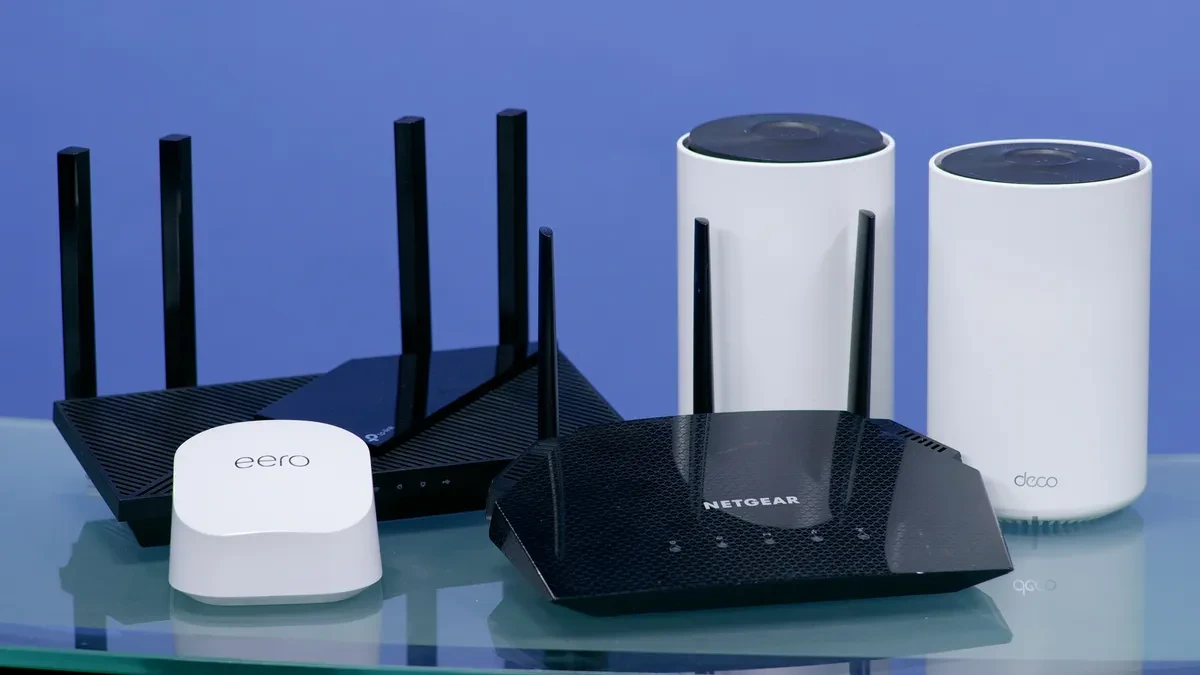
- Wi-Fi 6, 6E or 7 support for future-proof speeds (up to 10 Gbps).
- Dual-band (2.4 5 GHz) or tri-band.
- Multi-device capability (MU-MIMO, OFDMA).
- Good feedback on stability and coverage.
Summary
The router is a key component of your home Internet connection. If the connection is unstable, the provider is not always to blame - sometimes it is enough to listen to the "symptoms" and replace the old device with a new, more powerful and modern one. In Poland, with increasing access to high-speed Internet, the investment in a good router will quickly pay off in user comfort. We wish you a fast and stable connection!