



Wi-Fi 8: A revolution in wireless connectivity technology
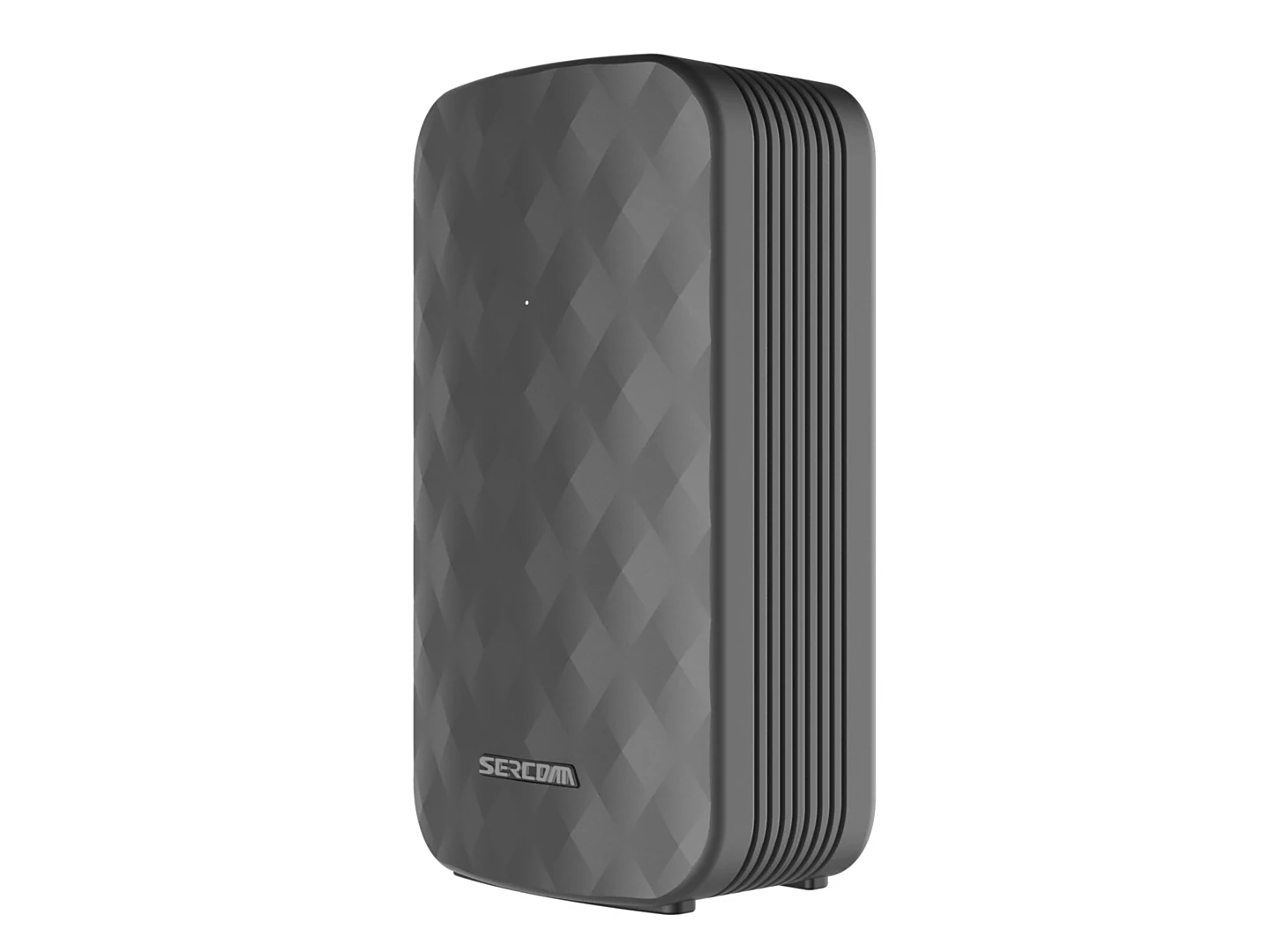
Wi-Fi 8, the new standard IEEE 802.11bn, is a technology that is already beginning to change the way we use the Internet in our homes, offices and other places. Sercomm, one of the market leaders in telecommunications equipment, has unveiled its new Wi-Fi 8 platform, based on the Broadcom BCM6718 chipset. Just for a moment, let's pause to think: we haven't yet fully transitioned to Wi-Fi 7, and here on the horizon we already have Wi-Fi 8, which will soon change the face of wireless connectivity.
But before we get into the details, it's worth mentioning that the Wi-Fi 8 standard won't be finally approved until September 2028. This may seem like the distant future, but in the world of technology it's not as long as it seems. However, we already know that Wi-Fi 8 will offer unique capabilities that will meet the growing demands of users, especially in an era of increasing numbers of networked devices.
But before we get into the details, it's worth mentioning that the Wi-Fi 8 standard won't be finally approved until September 2028. This may seem like the distant future, but in the world of technology it's not as long as it seems. However, we already know that Wi-Fi 8 will offer unique capabilities that will meet the growing demands of users, especially in an era of increasing numbers of networked devices.
What is Wi-Fi 8?
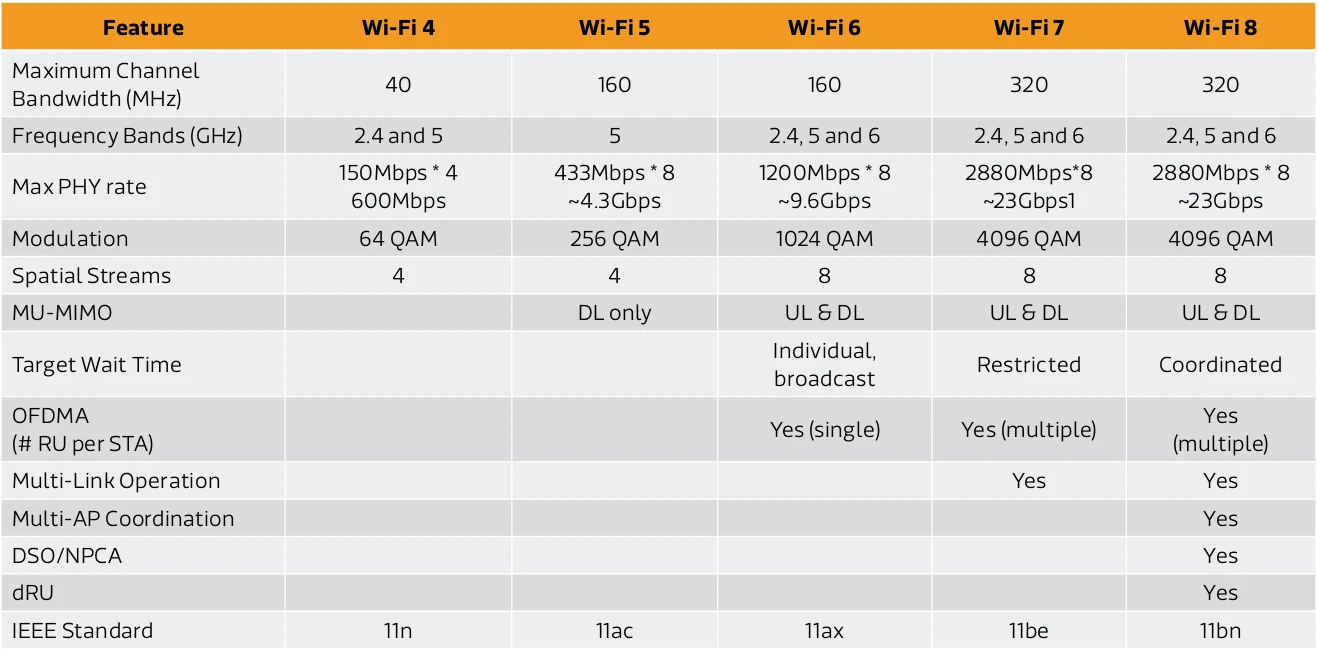
Wi-Fi 8 is a new generation of wireless communications standard, which is built on the new IEEE 802.11bn standard. The main features of this technology are:
- Higher bandwidth and lower latency - Wi-Fi 8 enables data transfer speeds of up to 23 Gbps, which is much faster than previous generations.
- Better radio bandwidth management - with intelligent bandwidth management, Wi-Fi 8 adapts to changing conditions, resulting in a stable connection, even with a large number of connected devices.
- Support for AI/ML technology - integrated artificial intelligence and machine learning algorithms allow network parameters to be optimized in real time, providing a better fit for users.
Wi-Fi 8: What's New?
Wi-Fi 8 offers significant improvements over previous standards. First and foremost, it offers higher bandwidth to support more demanding applications such as 8K video streaming, online gaming and other services requiring high data speeds.
Wi-Fi 8 is also optimized for environments where there are multiple devices connected to the network - like smart homes or offices, where different devices need to work in a single ecosystem to provide fast and stable internet access. This is important, especially in the context of the growing number of IoT (Internet of Things) devices that require constant connectivity.
Wi-Fi 8 is also optimized for environments where there are multiple devices connected to the network - like smart homes or offices, where different devices need to work in a single ecosystem to provide fast and stable internet access. This is important, especially in the context of the growing number of IoT (Internet of Things) devices that require constant connectivity.
Wi-Fi 8 advantages for users and operators
For users:
For operators:
- Improvedstability and speed - Wi-Fi 8 provides faster data transfer and lower latency, which means a better Internet experience, even on crowded networks.
- Better support for IoT devices - Wi-Fi 8 is ideal for supporting the growing number of network-connected devices such as smart speakers, cameras, thermostats and security systems.
- Optimized for online gaming and video streaming - Users can enjoy smoothness in online gaming, video streaming and other applications that require a stable connection.
For operators:
- New revenue streams - Operators will be able to offer new quality of service, including, for example, better video-on-demand, smart-home services or enhanced AI applications.
- Greater infrastructure efficiency - Wi-Fi 8 enables better utilization of available bandwidth, allowing operators to provide higher quality of service even under heavy network loads.
The future of Wi-Fi 8
Although the Wi-Fi 8 standard won't be finally approved until September 2028, we can already expect it to change the way we use the Internet. With advanced AI technology, higher bandwidth and lower latency, Wi-Fi 8 will become the foundation of modern wireless networks, ideal for home users, businesses and carriers.
Wi-Fi 8 is also a response to the growing demands of the number of network-connected devices, including IoT devices, which will soon be even more prevalent in our homes and offices. It is with them in mind that this new platform has been developed, which will enable entire ecosystems of smart devices to operate seamlessly.
Author:
Aliaksandr Roslikau
Wi-Fi 8 is also a response to the growing demands of the number of network-connected devices, including IoT devices, which will soon be even more prevalent in our homes and offices. It is with them in mind that this new platform has been developed, which will enable entire ecosystems of smart devices to operate seamlessly.
Author:
Aliaksandr Roslikau