


Radio lines MikroTik Wireless Wire Dish | Radioline | RBLHGG-60adkit, 60GHz, 1x RJ45 1000Mb/s
1,029.08 zł gross gross / meter gross / piece
Efficient 60GHz radio for less than 1000 PLN ?
MikroTik has finally released their latest 60GHz solution with the graceful name Wireless Wire Dish (RBLHGG-60ad kitr2) - in short lhg 60ghz. The set includes 2 paired devices (Master and Slave), 2 mounting brackets, 2 power supplies and 2 Gigabit PoE injectors.
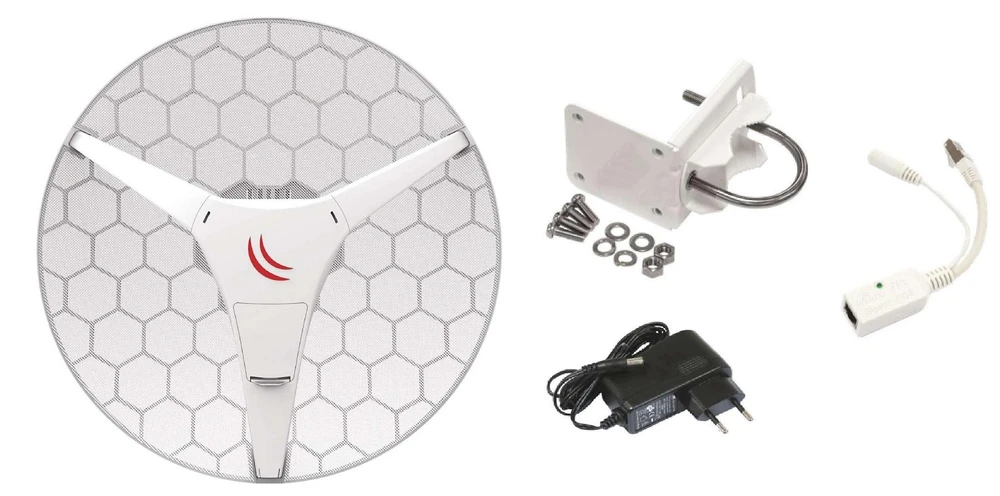
The device is equipped with a quad-core ARM Cortex A7 processor with 716MHz, 256MB of RAM and the latest wireless chipset from Qualcomm Technologies QCA6335. The chipset from Qualcomm supports the 802.11ad standard... Ideal for maintaining reliable outdoor wireless connections over long distances (up to 1km).
Wireless Wire Dish has been hailed as a breakthrough solution with a speed comparable to fiber optic links, but at distances up to 1500m - all at a really low price!
New solution from MikroTik allows to create a secure, encrypted connection (AES) in the 60GHz band, which mainly makes the link very stable, because the 60GHz band is not as crowded as 5GHz.
As I mentioned, Wireless Wire Dish (RBLHGG-60ad) has a very powerful processor, it can transmit up to 1.8Gbps!! And this is a result that could usually be achieved by cable.
So we decided to check it out, of course, because the topic promises to be very interesting...
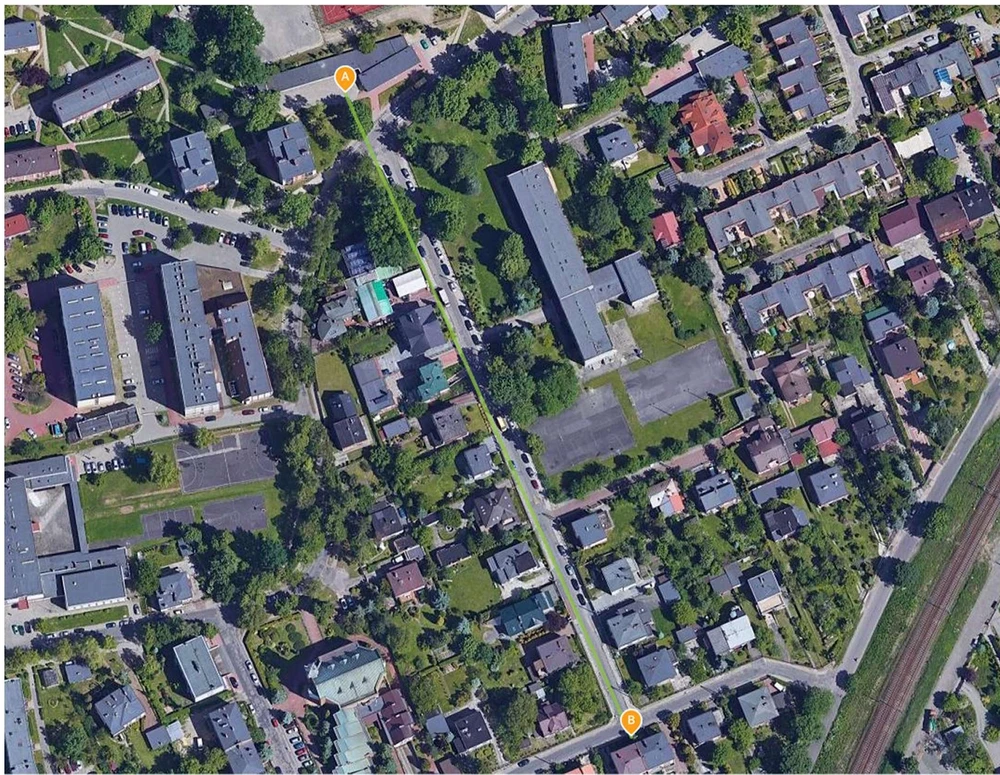
For testing, we've built, as we do every time, a small test setup:
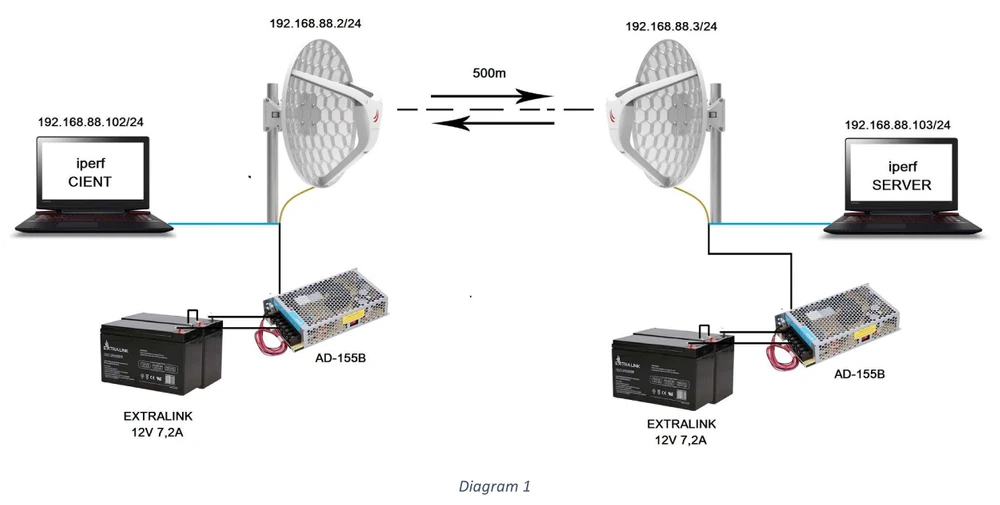
As you can see, we've put the link at 500m - just to get it done quickly - to see if this performance is really achievable. The tests were done in the field so each of the devices is powered from EXTRALINK 12V 7,2AH batteries connected in series, as the MicroTiks require 24V power supply. Additionally everything has been connected to a buffer power supply AD-155B.
The most important thing we are interested in is of course the bandwidth, which we will check using the built-in MikroTik BTest mechanism and the Jperf application, which is a graphical overlay for the great iperf tool.
Let's start with the fact that by default there is firmware version 6.42.1 on the devices and first it should be updated to the latest version, in our case it is 6.42.6 of course under the ARM architecture.
A change of the firmware is needed because we don't have access to some information such as the RSSI value on the default software.
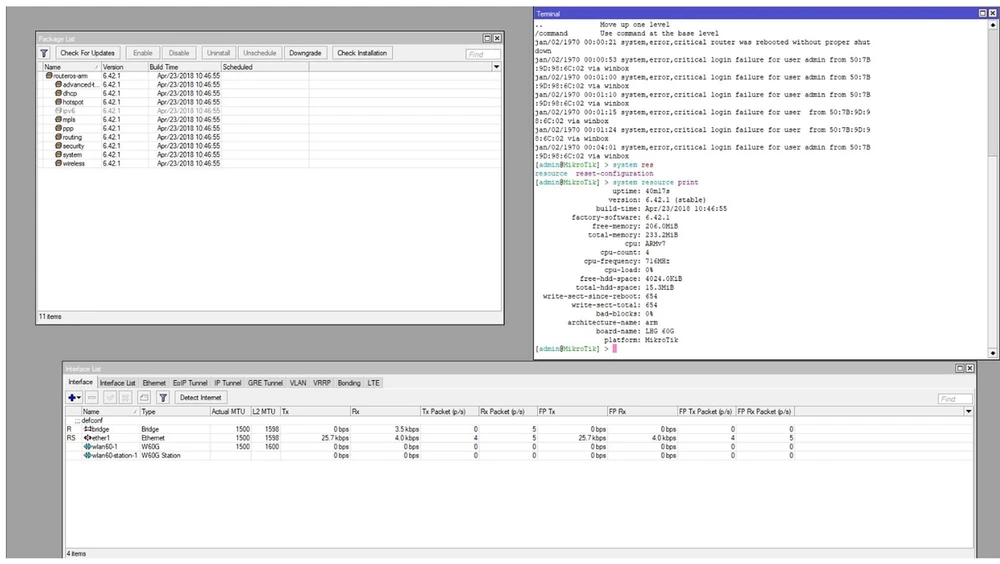
Once we have loaded the new software, we can proceed to the initial configuration:
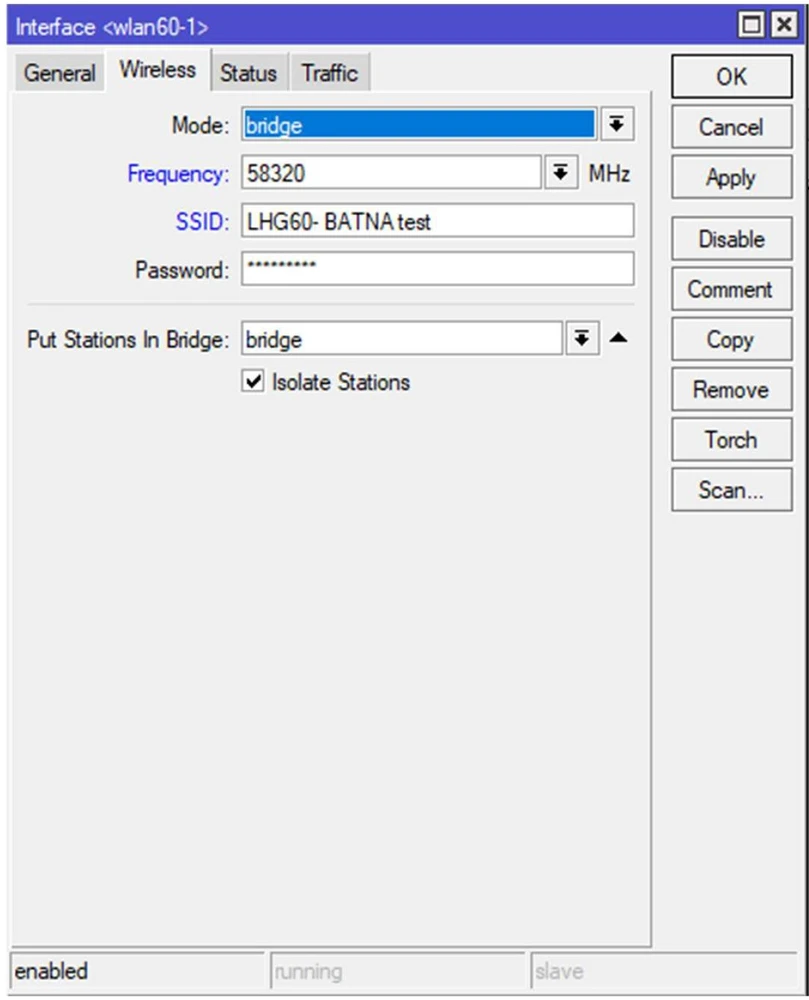
Configuration is very simple and we can quickly prepare the devices for operation. As far as frequencies are concerned, in the 60GHz band we have the following choice: 58320; 60480; 62640 and 64800.
We'll use channel 58320.
As I said, we will perform performance tests with Jperf and MikroTik's Btest tools based on TCP and UDP at a distance of 500m.
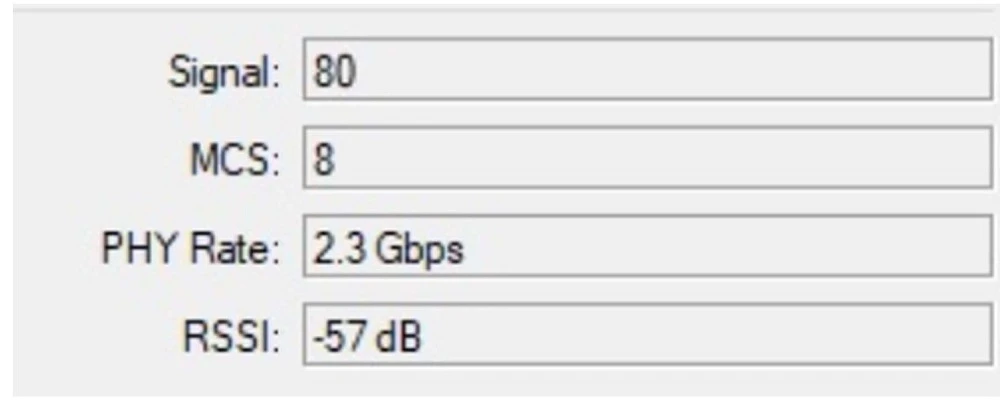
Surprisingly, we have RSSI -57dBm and PHY Rate 2.3Gbps.
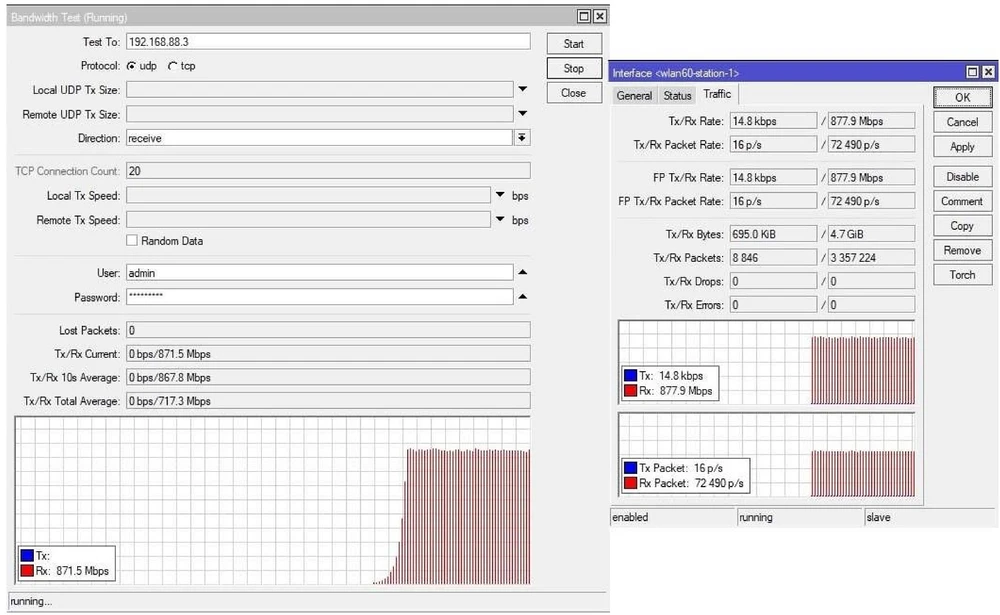
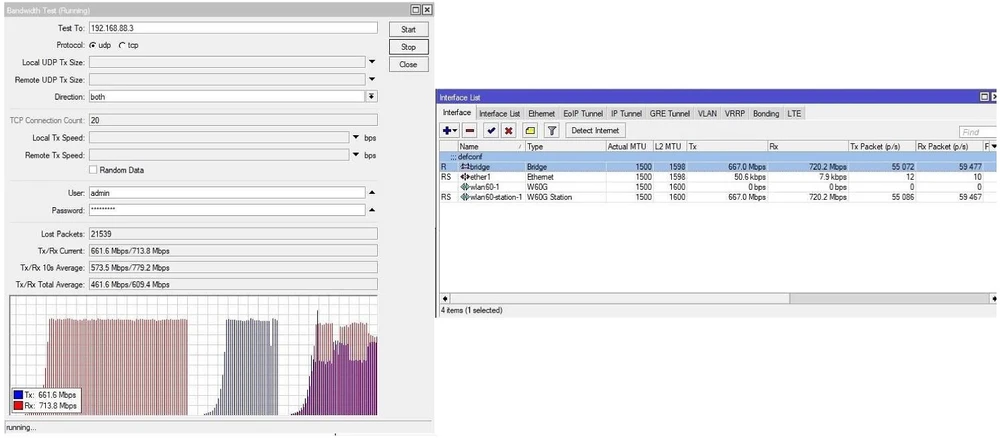
We first performed the tests directly with the MicroTik's BTest, here are the results:
MikroTik Bandwidth Test UDP receive (870Mbps - 72 500p/s)
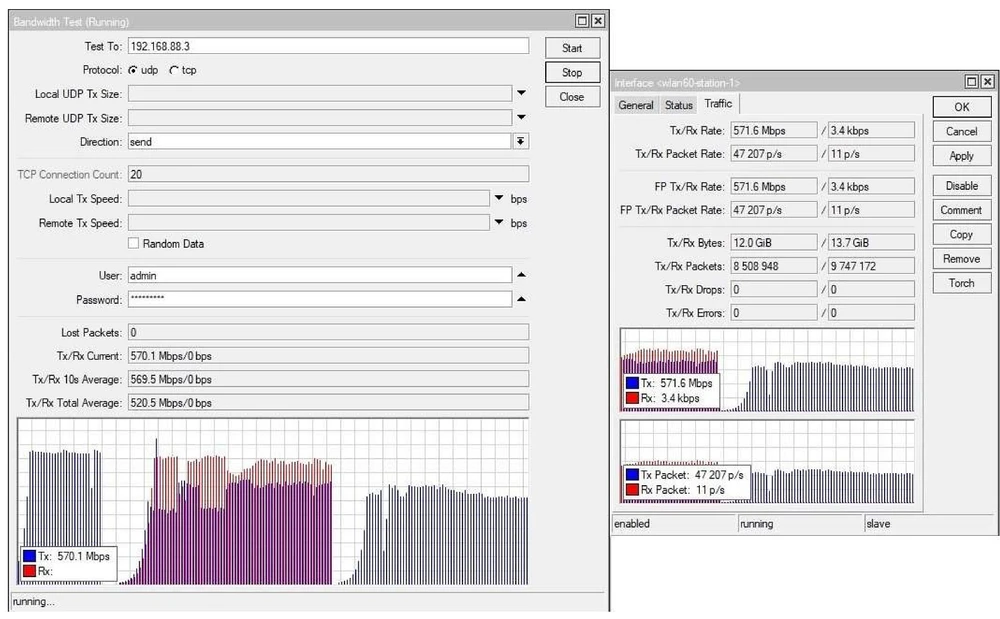
MikroTik Bandwidth Test UDP send (572Mbps - 47 200p/s)
MikroTik Bandwidth UDP test both (660/713 Mbps)
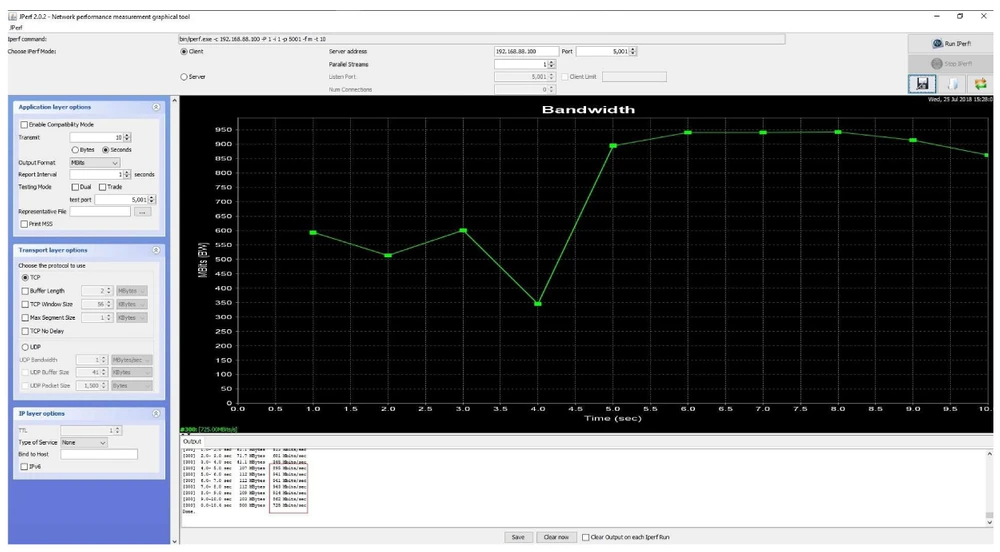
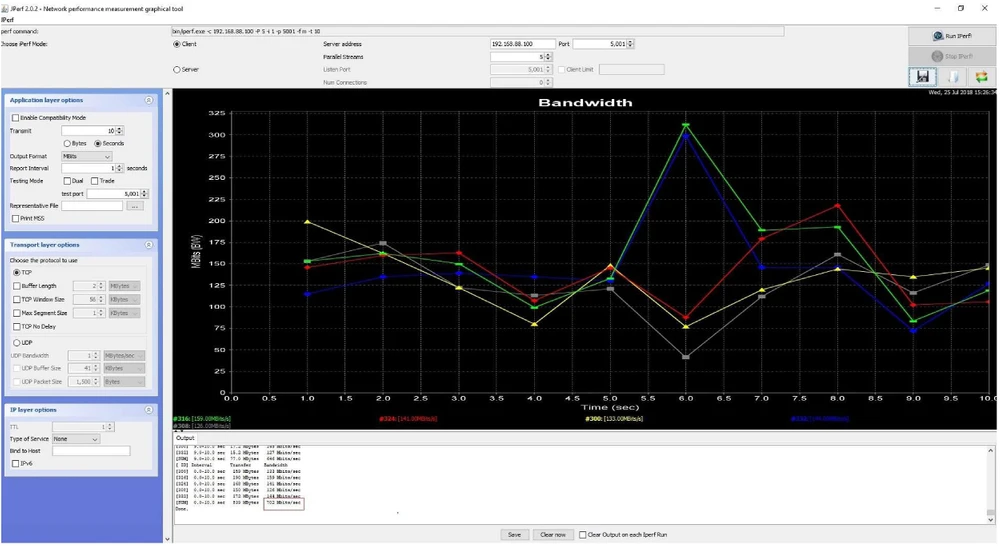
TCP tests were carried out using the iperf tool, or rather its graphical overlay running on a Java platform called Jperf-2.0.2. We also used two laptops equipped with a 1Gb Ethernet port and Intel Core i5 series processors.
We tested using the 1st data stream and 5 streams, and the results below are:
Jperf TCP 1 stream (over 900Mbps)
Jperf TCP 5 streams (over 700Mbps)
Mikrotik LHG 60ghz working in the 60GHz band is a very good solution, which is able to provide a transfer reaching almost 1Gbps (one way) without any interference. Unfortunately, at the moment it is only possible for short distances (optimally up to 1km).
The used power and frequency of 60GHz allows to cover a very short distance (shorter than optimal), which is mainly influenced by the phenomenon of attenuation in free space. Attenuation for transmission over a 1m distance in 60GHz frequency is 68dB, and for example at 5GHz this value is better by almost 22dB.
The high attenuation is obviously influenced by various objects along the way, including the human body. Consequently, precipitation also has a very large impact on the quality of transmission, especially over long distances.
In general, I think that for about 230USD we get a complete link, which guarantees us to get a capacity comparable to that of the cable. At such a price it is hard to find equally efficient devices...
You can find the whole test on our YouTube channel ->
We invite you to our FORUM in the section Mikrotik

